
Coventry BMW Crash: What Drivers Must Learn From Tragedy
Footage of the Coventry BMW crash renews focus on speeding, road safety and driver responsibility following the tragic death of 12-year-old Keaton Slater in Coventry.

The Parking Ticket Pal Editorial Team
14 November 202611 min read
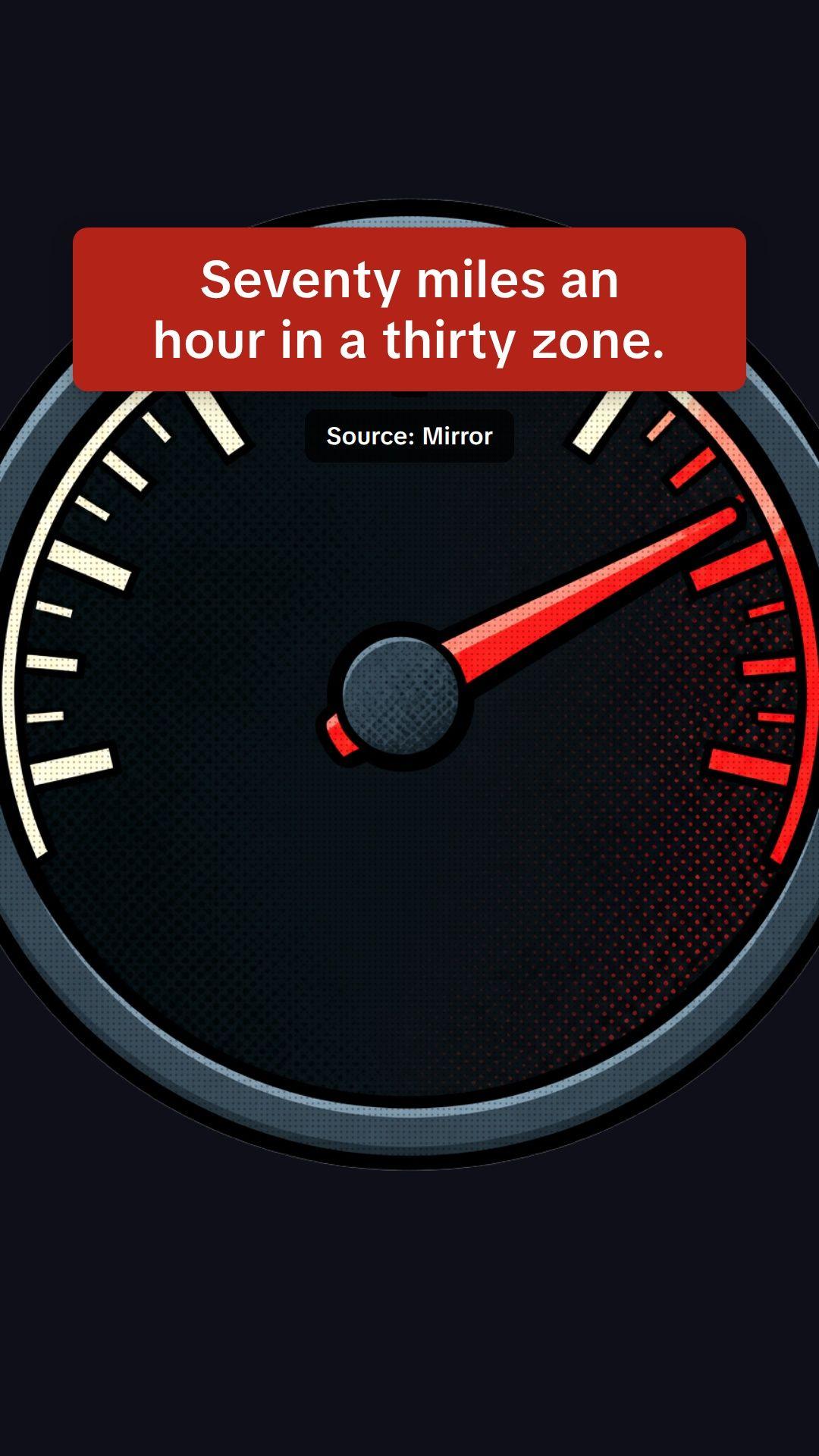
Horror Footage, a Speeding BMW and a Child Walking Home: What the Keaton Slater Case Tells Us About Road Danger
A child leaves school, heads for home and never arrives. For most parents, that scenario sits at the very back of the mind. The case of 12-year-old Keaton Slater, killed in Coventry as he walked home from school, has brought it to the front.
This post looks at what has been reported, the law that applies when a driver kills someone on the road, and what ordinary drivers can take from it. This is general information, not legal advice, and it is written with respect for a family who have lost a child.
What has been reported
According to the Mirror's report, footage of the crash shows a BMW travelling at speed through Coventry before it struck Keaton, who was walking home from school. He died. The headline describes the footage as "horror footage", and it appears to show the car's movements in the moments leading up to the collision, not just the impact itself.
I am deliberately sticking to what the source reports. I will not speculate about the driver, the exact speed, the road layout or the outcome of any court proceedings. If you are following the case, the court record and official police statements are the reliable sources. Footage like this is normally released publicly only once legal proceedings reach a certain stage, because contempt of court rules protect the fairness of any trial.
What the report does underline is how footage now shapes road death cases. Dashcams, doorbell cameras, CCTV and bus cameras can establish what happened in seconds, often with a clarity witness statements cannot match.
Why it matters beyond one case
Stories like this land hard because the circumstances are so ordinary. A school journey is one of the most routine trips a child makes. Children are not small adults. They are harder to see, they judge speed and distance less reliably, and they can step into a road in a moment of distraction. The Highway Code recognises this, which is why it places extra duties on drivers around schools, crossings and residential streets.
Speed is the key variable. It affects two things at once:
- How likely a collision is. The faster you travel, the less time you have to notice a hazard and react.
- How severe it is. Energy in a crash rises sharply with speed, so the same impact at a higher speed is far more dangerous for a pedestrian.
The Highway Code's typical overall stopping distances (thinking distance plus braking distance on a dry road) make the point plainly:
| Speed | Typical overall stopping distance | |---|---| | 20mph | 12 metres (40 feet) | | 30mph | 23 metres (75 feet) | | 40mph | 36 metres (118 feet) |
Those are averages for an alert driver in good conditions. Wet roads, worn tyres, tiredness or distraction all lengthen them. A driver doing well over a limit near a school simply has no margin if a child steps out from behind a parked car.
The legal angle: what happens when a driver kills
When a death occurs on the road, the police investigate, and the Crown Prosecution Service decides whether to charge and with what. The charge matters a great deal, because the offences differ in what must be proved and what penalties follow. These are the main ones under the Road Traffic Act 1988.
Causing death by dangerous driving (section 1)
Driving is "dangerous" where it falls far below the standard expected of a competent and careful driver, and it would be obvious to a competent and careful driver that driving that way would be dangerous. Excessive speed, racing, serious inattention and aggressive manoeuvres can all qualify, depending on the circumstances.
Since changes brought in by the Police, Crime, Sentencing and Courts Act 2022, the maximum sentence is life imprisonment. A conviction also carries a mandatory minimum driving disqualification, currently two years, and an extended driving test must be passed before the licence is returned. Courts commonly go well beyond the minimum in serious cases.
Causing death by careless or inconsiderate driving (section 2B)
Here the driving falls below the standard of a competent and careful driver, but not to the "far below" threshold. The maximum prison term is now 10 years, and disqualification is discretionary but usual.
Other possible charges
Depending on the facts, prosecutors may also consider offences such as causing death while uninsured, unlicensed or disqualified, causing death while under the influence of drink or drugs, or, in the most extreme cases, manslaughter. Failing to stop or report a collision is a separate offence.
How sentencing works in practice
Courts follow Sentencing Council guidelines for causing death by driving offences. These sort cases into culpability bands, and factors such as sustained speeding, deliberate risk-taking, previous convictions and the victim's vulnerability push sentences upwards. The age of the victim and the setting, such as near a school, can be relevant to how the court views the seriousness of the driving.
Footage can be decisive here. A recording can show speed, road position, braking (or lack of it) and whether the driver had a clear view. Experts can often calculate speed from video, which is why prosecutors rely on it so heavily.
Speed limits and schools: what the rules actually say
A few points worth getting straight, because they are often misunderstood:
- 30mph is the default limit on roads with street lighting unless signs say otherwise. It is a limit, not a target. The Highway Code says you should always drive at a speed that lets you stop within the distance you can see to be clear.
- Many roads near schools have 20mph limits, sometimes only at certain times, indicated by flashing signs. Councils set these locally, and the signs are what count legally.
- Speeding is a criminal offence. The usual fixed penalty is £100 and three points, though higher speeds can lead to a court appearance, larger fines and disqualification. Speed awareness courses may be offered for lower-level offences, at police discretion.
- School Keep Clear markings (the yellow zig-zags) are there to preserve sightlines for children crossing. Stopping on them is a traffic offence that councils can enforce.
- The hierarchy of road users, introduced to the Highway Code in January 2022 (Rule H1), places the greatest responsibility on those who can cause the greatest harm. Drivers of large vehicles have more responsibility than cyclists, and everyone has more than pedestrians.
What drivers should take from this
Cases like this are not just warnings about reckless drivers. They are also a prompt for ordinary, decent drivers to look at their own habits.
1. Treat school journey times as high-risk, whatever the limit. Between roughly 8am to 9am and 3pm to 4pm, expect children on pavements, at crossings and between parked cars. Slow down earlier than you think you need to.
2. Check your speed, not your assumptions. Speedometers can drift, and it is easy to creep up on a long, empty-feeling road. If you are unsure of a limit, look for repeater signs or lamp posts. A speed limiter or cruise control set to the limit can help.
3. Look for the unseen child. Parked cars, buses and vans hide small pedestrians. Where you cannot see the pavement edge, assume someone could step out and drive so you can stop.
4. Do not park or turn in ways that put children at risk. Stopping on zig-zags, blocking crossings or performing U-turns outside school gates creates the very sightline problems that cause collisions. Park a few minutes away and walk the last stretch if you can.
5. Remove distractions. Holding a phone while driving is illegal and the penalty is six points and a £200 fine, but even hands-free use can be treated as a distraction if it affects your driving. A moment's inattention at 30mph covers a lot of ground.
6. Consider a dashcam. A front-and-rear dashcam can protect you if you are wrongly blamed for a collision, and it can help others if you capture dangerous driving. Footage of an offence can be submitted to police through the National Dash Cam Safety Portal, though police decide whether to act. Keep the original file, note the date, time and location, and do not edit it.
7. If you witness or are involved in a serious collision. Call 999, stay at the scene if it is safe, and give the emergency services what they ask for. Do not post footage online before the police have had a chance to review it, as that can complicate investigations. You are legally required to stop and exchange details after most collisions, and to report an injury collision to the police.
Support for families
For those directly affected by road deaths, charities such as Brake and RoadPeace offer bereavement support and guidance on navigating the criminal justice process. Families are also entitled to rights under the Victims' Code, including information about the case and the opportunity to make a victim personal statement to the court.
Looking ahead
Several threads are likely to keep this subject in the headlines.
Enforcement technology. Average-speed cameras, AI-assisted detection and wider use of video evidence are all expanding. The same footage that shows what happened in a tragedy can also deter the behaviour that causes one.
20mph policy. Debate over blanket 20mph limits continues, with some councils extending them and others reviewing them. Whatever your view on the politics, outside schools the case for lower speeds is at its strongest.
Sentencing and public confidence. Maximum sentences for causing death by dangerous driving have risen, but families and campaigners regularly question whether actual sentences reflect the gravity of the offence. Expect continued pressure from road safety groups for tougher and more consistent outcomes.
Road design. Safer crossings, school streets, and better separation of children from fast traffic are all part of the long-term answer, though they depend on funding and local decisions.
The facts of Keaton's case will be tested properly in court, and the family's grief is not something any blog can address. What every driver can do is simple and unglamorous: slow down where children are, look further ahead than feels necessary, and treat every school journey as one where a young life depends on your attention.
This article is general information only and does not constitute legal advice. If you are affected by a road traffic incident, consider speaking to the police, a specialist solicitor or a support organisation such as Brake or RoadPeace.
Written by
The Parking Ticket Pal Editorial Team
Source-checked parking guidance