
Council Parking Fines: 100 Drivers Penalised Every Minute
Councils made 52 million DVLA driver-data requests in a year. Discover what the figures reveal about parking fines, PCNs, enforcement and your appeal rights.

The Parking Ticket Pal Editorial Team
21 September 2026
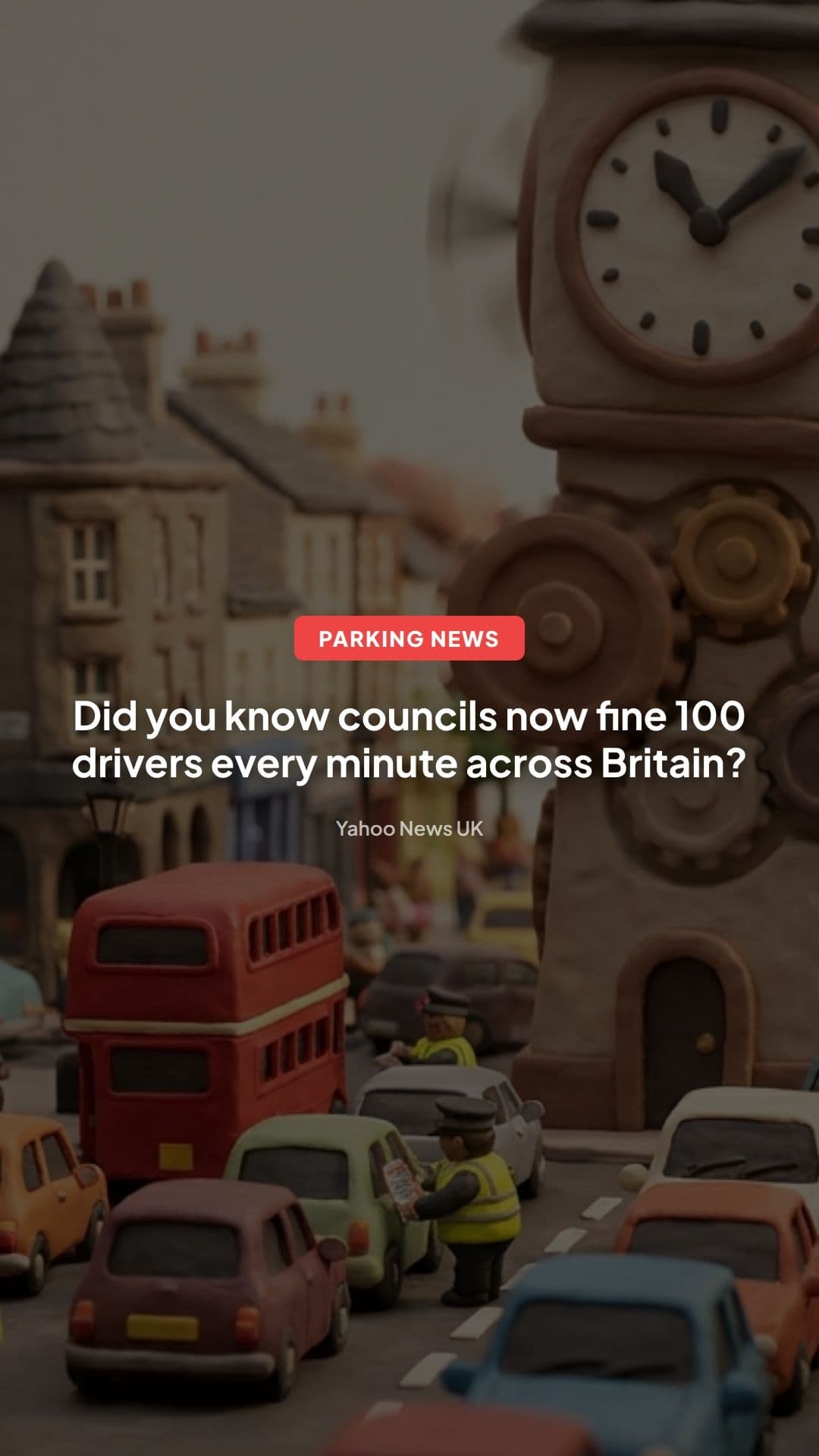
Councils Fine 100 Motorists Every Minute: What the 52 Million DVLA Requests Really Tell Us
Picture this: while you've been reading this sentence, roughly two more parking fines have landed on doormats somewhere in Britain. Multiply that out and you get a genuinely startling figure: councils across the UK are, on average, fining motorists at a rate of 100 every single minute. That statistic, drawn from new reporting on DVLA data, isn't just a headline-grabbing number. It's a window into an enforcement machine that has grown enormously in scale, speed and reach, largely thanks to technology most drivers never see working against them.
What Happened
According to reports covered by Yahoo News UK, the DVLA received a staggering 52 million requests in the year to March 2026 from councils and other enforcement bodies asking it to trace the identity of a vehicle's registered keeper. These requests are the essential first step in issuing a Penalty Charge Notice (PCN) to anyone whose car has been caught by a camera, a traffic warden, or an automated number plate recognition (ANPR) system, but who wasn't handed a ticket in person at the time.
To put 52 million in context: that's roughly one request for every UK adult, in a single year, purely for parking and traffic contraventions. It reflects the sheer volume of PCNs now being generated by councils up and down the country, many of them without a human enforcement officer anywhere near the scene.
The DVLA charges a small fee, currently £2.50, for each successful keeper lookup, which itself generates significant income for the agency, but the real story is what lies behind the numbers: a parking enforcement system that has shifted decisively from physical patrols to camera-based, data-driven ticketing at industrial scale.
Why It Matters
There's a reason this figure has struck a nerve. Parking enforcement used to mean a warden walking a beat, checking meters and issuing tickets by hand. Today, an enormous proportion of PCNs are generated automatically. Bus lane cameras, box junction cameras, moving traffic contravention cameras and ANPR-equipped council vehicles can process thousands of potential infringements a day without a single officer present.
Every one of those automated detections, if the driver wasn't given a ticket on the spot, requires the council to ask the DVLA who owns the vehicle before it can post out a Notice to Owner or Penalty Charge Notice. That's where the 52 million figure comes from. It is, in effect, a direct proxy for the volume of camera-detected contraventions being processed nationally.
This matters for several reasons. First, it confirms what many drivers have suspected: enforcement has become largely automated, consistent, and relentless in a way that human wardens never could be. Cameras don't take lunch breaks, don't have sympathy for a driver popping into a shop for thirty seconds, and don't exercise the kind of discretion an officer on foot might once have shown.
Second, it raises real questions about proportionality and error rates. When millions of tickets are being generated by machines reading number plates, misreads, faulty signage, and system glitches inevitably slip through. Council enforcement teams are dealing with such enormous volumes that individual cases can get less scrutiny than they deserve before a PCN is dispatched.
Third, this feeds into a broader financial picture. English councils have been reporting record parking surpluses in recent years, and PCN income has become a meaningful part of local authority budgets. Whatever the intention behind traffic enforcement, the scale revealed by these DVLA figures shows just how central penalty income has become to how enforcement authorities operate.
The Legal Angle
It's worth understanding the legal framework that sits underneath all of this, because it shapes exactly what rights drivers have.
Council-issued PCNs for parking and most moving traffic contraventions are governed by civil law, primarily under the Traffic Management Act 2004 (for most of England and Wales) and, for London specifically, the earlier Road Traffic Act 1991 framework administered through TfL and London boroughs. These are civil penalties, not criminal offences, which is an important distinction. A parking PCN does not give you penalty points and doesn't appear on your driving licence.
When a council doesn't catch you in person (which is now the norm for camera-detected offences such as bus lane, box junction or yellow box contraventions), it must apply to the DVLA under Regulation 33 of the Road Vehicles (Registration and Licensing) Regulations 2002 to obtain the registered keeper's details. This is what generates each of those 52 million requests. The DVLA is legally obliged to disclose this information to bodies with a "reasonable cause," and traffic enforcement is explicitly recognised as one.
Once the keeper is identified, the council issues a Notice to Owner (or, for some London boroughs and TfL contraventions, directly a PCN). From there, the recipient has statutory rights: to make informal representations, to receive a formal Notice of Rejection if those are refused, and ultimately to appeal to an independent tribunal, either the Traffic Penalty Tribunal (outside London) or the Environment and Traffic Adjudicators/London Tribunals for the capital. These tribunals are free to use and staffed by independent adjudicators, not council employees, which matters if you ever find yourself needing to challenge a ticket.
It's also worth knowing that the registered keeper is not automatically the same as the liable person. If you'd sold the car, lent it to someone, or it was leased, there are specific statutory provisions covering keeper liability that can form the basis of a valid challenge.
What Drivers Should Know
Given the scale revealed by these figures, a few practical points are worth keeping in mind.
Check the DVLA holds your correct details. If you've moved house or changed your name, your address needs updating with the DVLA promptly. Since automated enforcement relies entirely on keeper lookups, an out-of-date record means PCNs and Notices to Owner can end up going to the wrong address, and missing the deadline for making representations can seriously limit your options later.
Don't assume a camera is infallible. ANPR systems and automated cameras can and do make mistakes, from misread plates to poorly calibrated systems. If a PCN doesn't match your recollection of events, it's worth checking the evidence the council provides, including any photographs or timestamped footage, before assuming the ticket is correct.
Know your appeal windows. There are strict statutory deadlines at each stage, from informal representations through to formal appeal at tribunal. Missing these can close off routes that would otherwise have been available, so it's worth acting as soon as a notice arrives rather than putting it aside.
Use the free, independent channels. Both informal representations to the council and formal appeals to an independent adjudicator cost nothing. If you're unsure how to structure a challenge, there are established guides to making formal representations and navigating the Traffic Penalty Tribunal process that walk through the process step by step, and these are worth consulting before assuming a ticket has to be paid.
Understand that volume doesn't equal accuracy. With enforcement operating at the scale these figures suggest, councils are processing huge numbers of cases through largely automated pipelines. That doesn't mean every PCN issued is correct; it means there's less individual scrutiny than there might once have been, which is precisely why exercising your right to challenge matters.
This is general guidance rather than advice on any individual case. If you're facing a specific penalty notice with money or points at stake, it's sensible to check the official guidance from GOV.UK or seek independent advice suited to your circumstances.
Looking Ahead
The direction of travel here looks unlikely to reverse. Camera enforcement is cheaper and more scalable for councils than sending wardens out on foot, and as budgets remain tight, the incentive to lean further into automated detection is only likely to grow. That means the volume behind figures like "52 million DVLA requests a year" is more likely to climb than fall.
For drivers, that makes a basic level of awareness increasingly important: understanding how camera enforcement works, knowing your rights when a PCN arrives, and recognising that being fined by a machine rather than a person doesn't remove your right to challenge it. As enforcement becomes more automated, the burden of vigilance is, whether fairly or not, shifting increasingly onto drivers themselves.
Written by
The Parking Ticket Pal Editorial Team
Source-checked parking guidance
Ready to Challenge Your Ticket?
Let our AI analyse your PCN and generate a professional appeal letter in minutes.
Start Free Appeal