
Autumn Budget 2026: Will EV Driving Costs Rise?
Could the Autumn Budget 2026 make driving costlier? We examine proposed EV and plug-in hybrid mileage taxes, company-car tax rises and what motorists may pay.

The Parking Ticket Pal Editorial Team
5 November 2026
Will the Autumn Budget 2026 make driving more expensive? What EV and hybrid drivers need to know
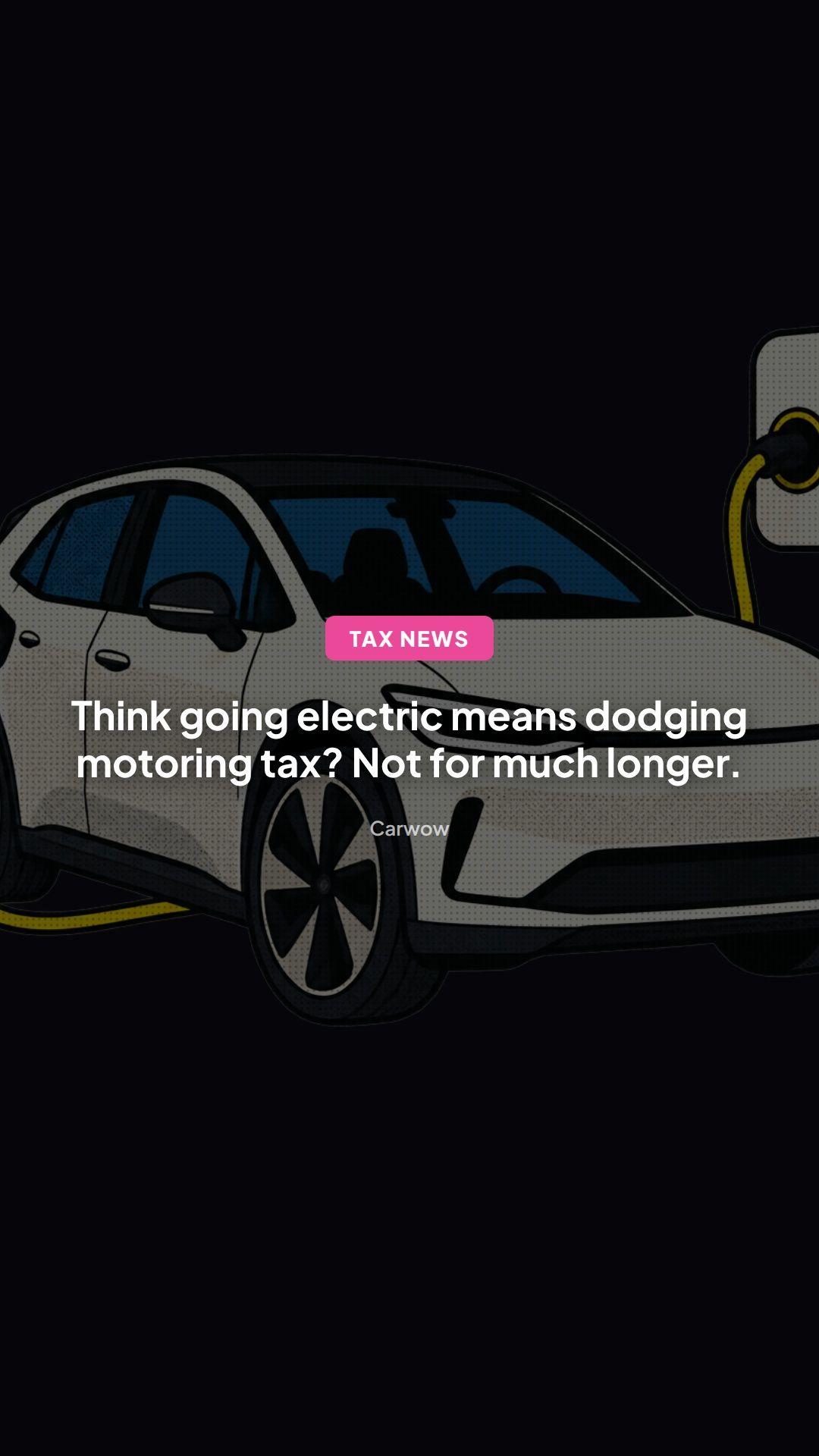
For years, the pitch for going electric has been simple: skip the fuel duty, pay a fraction for your "fuel", and enjoy cheap motoring. The Treasury has been quietly rewriting that story. According to Carwow's report on the Autumn Budget 2026 and its impact on drivers, electric cars and plug-in hybrids are due to face mileage-based taxation from April 2028, alongside planned increases to electric company-car tax.
If you drive, or are thinking of driving, anything with a plug, the sums are about to change. Here is what the report says, why the Treasury is doing it, how it fits into UK law, and what you can sensibly do now.
What the report says
Carwow's summary sets out two main strands.
1. Pay-per-mile tax from April 2028. Pure electric cars would be charged 3p per mile. Plug-in hybrids would be charged 1.5p per mile. This is commonly referred to as electric vehicle excise duty, or eVED, and it would sit on top of existing vehicle tax arrangements rather than replace them outright.
2. Higher electric company-car tax. The report also outlines planned increases to the tax on electric company cars. This is the benefit-in-kind (BIK) system, which taxes employees on the value of having a car provided by their employer.
Neither strand is a surprise to anyone watching the policy direction, but together they mark a clear shift. The long period of EV tax advantages is being wound down in stages.
Why it matters: the hole in the Treasury's pocket
Fuel duty is a huge earner for the Exchequer, and every electric car on the road pays none. As EV numbers grow, that gap widens. The government's argument is essentially one of fairness: if everyone uses the same roads, everyone should contribute.
Drivers have a different view. Many who bought electric did so partly because of the tax treatment, and some feel the rules are being changed after they have committed. There is a counter-argument too. Heavy EVs may add to road wear, though this is disputed, and I will not pretend the evidence is settled either way.
What 3p a mile looks like in practice
The rate sounds small, but simple multiplication shows how it adds up:
| Annual mileage | Electric car (3p) | Plug-in hybrid (1.5p) | |---|---|---| | 8,000 miles | £240 | £120 | | 10,000 miles | £300 | £150 | | 12,000 miles | £360 | £180 |
These are illustrations of the stated rates, not forecasts of what any particular driver will pay. Two things are worth keeping in mind:
- High-mileage drivers are hit hardest. Rural commuters, sales reps and anyone doing long motorway runs will feel it more than urban drivers who barely cover 5,000 miles a year.
- Petrol and diesel drivers pay tax in a different way. Fuel duty rises and falls with how much fuel you burn, which means thirstier cars pay more. A flat per-mile charge on EVs treats a small, efficient hatchback and a heavy electric SUV the same, which some critics see as a design weakness.
The company-car angle
For many people, a company car is the way they first get into an EV. Under the BIK system, you are taxed on a percentage of the car's list price, and for electric cars that percentage has been deliberately low. The percentage rises on a published schedule, and the Carwow report points to further increases.
Here is how the sums work, using illustrative figures only. For a £40,000 electric company car:
- At a 4% BIK rate, the taxable benefit is £1,600. A basic-rate (20%) taxpayer would pay £320 a year, and a higher-rate (40%) taxpayer £640.
- At a 9% BIK rate, the taxable benefit is £3,600. That becomes £720 at 20% and £1,440 at 40%.
The same car and the same driver can therefore see their annual tax bill more than double just from the percentage moving. Employers are affected as well, because they pay Class 1A National Insurance on the benefit. That can influence whether a business keeps offering electric cars, or whether salary sacrifice schemes stay attractive. We have looked at the salary sacrifice side in more detail in our piece on how eVED and company car tax could hit EV salary sacrifice.
Check the current and future BIK percentages on GOV.UK, as the schedule has been amended more than once and a Budget can change it again.
The legal angle
It helps to understand where these taxes sit in law, because "Budget announcement" and "law" are not the same thing.
Vehicle tax. Vehicle excise duty (VED) is created by the Vehicle Excise and Registration Act 1994. The legal duty falls on the registered keeper, and the DVLA enforces it. A pay-per-mile element would need primary legislation, normally through a Finance Bill, and it would have to define how mileage is measured, who reports it and what happens if they do not. Until that detail is published and passed by Parliament, the 2028 figures are plans, not rules.
Company-car tax. BIK on cars is governed by the Income Tax (Earnings and Pensions) Act 2003, with the percentages and bands set through Finance Acts. That is why you can find the rates for future tax years already published: they are legislated ahead of time, so employers and employees can plan. Any additional increases would need the same process.
The unanswered questions. The Carwow summary does not tell us how mileage would be collected and verified, and I do not want to guess. Open questions that matter for drivers include:
- Would the charge be bundled with annual VED, or billed separately?
- How would the government verify mileage, and how would it treat disputes?
- How would plug-in hybrids be treated, given that real-world use varies enormously between drivers?
- What privacy safeguards would apply if any tracking were involved?
Those answers will determine whether the scheme feels fair or intrusive. For wider background on how these charges might work, see our explainers on the start date and what pay-per-mile means for EVs and on how public charging users could face a double tax from 2028.
What drivers should know and do now
This is general information, not personal financial or tax advice. But there are sensible steps that do not depend on guesswork.
1. Know your real annual mileage. Check your MOT history on GOV.UK, where past mileage readings are recorded, and compare them with your own records. That tells you quickly whether a 3p or 1.5p rate is a minor irritation or a significant cost.
2. Think in total cost of ownership. Even with a mileage charge, an EV may still be cheaper to run than a petrol or diesel car for many drivers, particularly if you charge at home on a good tariff. Do the sums with your own electricity rate rather than relying on headline claims. Our guide to cutting home EV charging costs with the right tariffs is a good place to start.
3. If you are buying, factor in 2028 and beyond. Many people keep a car for four to six years. A car bought now will be on the road when the charge is due to start. Used values could also be affected if buyers become more cautious, though that is speculation rather than something the report claims.
4. Check available support. Purchase incentives and grants have changed over time. Our guide to the 2026 electric car grant and which EVs qualify explains what is on offer and how to check eligibility before you commit.
5. Company-car drivers: look at the whole package. If you are offered an electric car through your employer, ask for the list price, the BIK percentage for each tax year you expect to have the car, and whether the scheme is salary sacrifice. Compare the total after-tax cost with other options. If your circumstances are complicated, such as having a higher-rate tax liability or a large family, it is worth asking a qualified tax adviser.
6. Watch out for scams. Whenever a new tax is discussed, fraudsters send texts and emails claiming you owe money or must "register" for a mileage scheme. Nothing like that is operating today. Use only GOV.UK for vehicle tax matters and never click payment links in unexpected messages. Our article on the QR code parking scam shows how convincingly these tricks can be dressed up.
Looking ahead
The direction of travel is clear: the tax system is moving from taxing what comes out of the exhaust to taxing the miles you drive. If that principle is accepted for EVs, many commentators expect the debate to widen to all vehicles eventually, though that is not something the Carwow summary says and I would treat it as an open question rather than a plan.
Several things will determine how this plays out:
- The detail of the legislation. Rates, exemptions, collection methods and appeals processes will matter as much as the headline figures.
- How the rates are updated. A flat 3p today could feel very different if it is adjusted regularly.
- The wider policy picture. EV sales targets, grant schemes, charging costs and the 2030 petrol and diesel phase-out are all being debated at the same time. Changes in one area can offset or amplify changes in another.
- Consultation outcomes. Where governments consult, the final design sometimes differs from the first announcement.
For drivers, the practical message is not to panic and not to ignore it either. A 3p charge is a real cost, but whether it undermines the case for an EV depends on how far you drive, how and where you charge, and what you would otherwise spend on fuel. Run the numbers for your own situation, keep an eye on the legislation as it develops, and make decisions based on published rules rather than rumour.
This article provides general information about UK motoring and tax rules and is not legal or financial advice. For decisions affecting your own finances, check GOV.UK and HMRC guidance or speak to a qualified adviser.
Written by
The Parking Ticket Pal Editorial Team
Source-checked parking guidance
Ready to Challenge Your Ticket?
Let our AI analyse your PCN and generate a professional appeal letter in minutes.
Start Free Appeal