Airport Parking Charges: Inside the £453m Revenue Row
Manchester Airport Group’s boss has defended £453m in car park revenue. We examine airport parking charges, fees, consumer concerns and motorists’ options.

The Parking Ticket Pal Editorial Team
19 August 2026
Airport Parking: Why £453 Million Is Just the Tip of the Iceberg
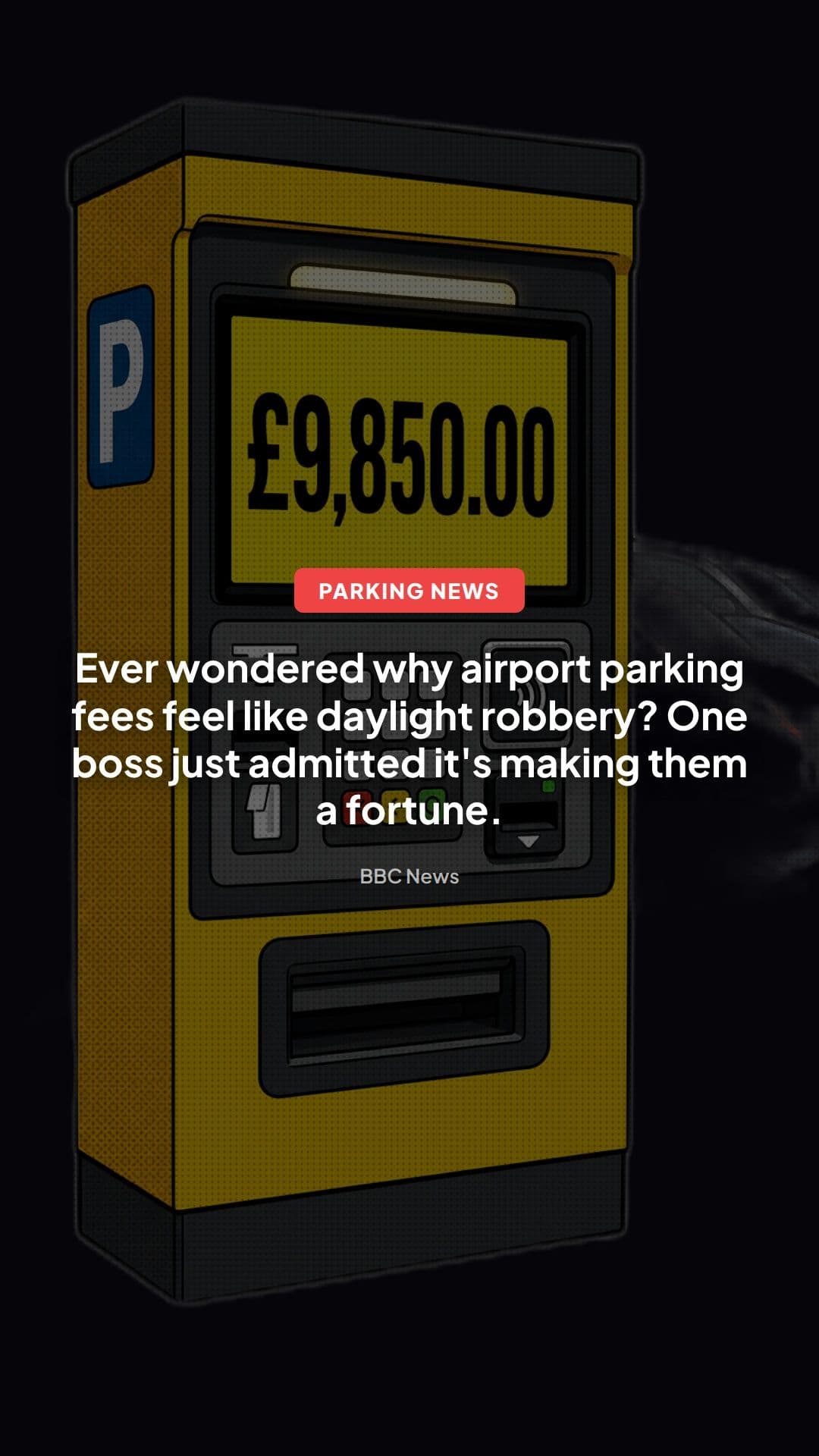
Next time you drop a relative at the airport, spare a thought for the numbers behind the barrier. The boss of Manchester Airport Group (MAG), which owns Manchester, London Stansted and East Midlands airports, has publicly defended the group's eye-watering £453 million in car park revenue, hitting back at criticism that passengers and drivers are being squeezed to prop up airport profits. It's a story that says a lot about how UK airports actually make their money, and why parking has become one of the most contentious corners of British motoring life.
What Happened
The BBC reports that MAG's chief executive stood by the group's car-parking income after facing pointed questions about the scale of the charges levied on travellers and those picking up or dropping off passengers. MAG is one of the biggest airport operators in the country, running three major hubs that between them handle tens of millions of passengers a year. Car parking, alongside drop-off fees, retail concessions and airport lounges, has become an increasingly important revenue stream for the group, and £453 million is a figure large enough to raise eyebrows even in an industry known for high margins on "non-aeronautical" income.
The defence comes against a backdrop of mounting public frustration. Passengers have long grumbled about the cost of leaving a car at the airport for a week's holiday, while drivers doing nothing more than a quick drop-off have increasingly found themselves facing charges simply for pulling up outside the terminal. Airports across the UK, not just MAG's, have been pushing up both long-stay parking tariffs and short-stay drop-off fees in recent years, prompting calls from motoring groups and even MPs for tighter controls.
Why It Matters
To understand why airport parking has become such a lightning rod, it helps to understand airport economics. Landing fees and other charges paid by airlines are tightly negotiated and, in the case of the biggest hubs, regulated. But car parks, drop-off zones, shops and food outlets fall largely outside that regulatory net. For an airport operator, a car park is essentially a captive market: once you've committed to a flight, you generally have to get to the terminal somehow, and for millions of households that still means driving.
This matters because it exposes a fundamental imbalance. Airlines can be undercut by rivals flying the same route. Drivers heading to the airport often have far less choice, especially if public transport links are poor or if they're travelling at unsociable hours with luggage or family in tow. That lack of genuine competition is precisely what makes it possible for parking and drop-off charges to keep climbing without triggering the kind of consumer backlash that would force prices down in a normal market.
It also matters because of scale. £453 million from car parks alone illustrates just how central parking revenue has become to the aviation business model, arguably as important to the bottom line as the flights themselves for some airport groups. When that much money is at stake, it's little wonder operators are reluctant to cap or cut charges voluntarily, even as criticism grows louder.
The Legal Angle
Here's the part many drivers find surprising: there is no general law capping how much an airport, or any private landowner, can charge for parking. Airport car parks and drop-off zones sit on private land, governed by contract law rather than the statutory traffic regulations that apply to council-controlled streets. When you drive in, you're entering into a contract, and provided the terms are made reasonably clear (typically through signage), the operator is largely free to set whatever tariff it likes.
Where the law does bite is around enforcement and fairness once you're on site. The Consumer Rights Act 2015 requires terms to be transparent and not unfairly weighted against consumers, which is why signage and pricing clarity at car parks and barriers has come under scrutiny from bodies such as the Competition and Markets Authority in recent years. Separately, the government has been working towards a statutory Code of Practice for private parking operators under the Parking (Code of Practice) Act 2019, which would introduce a cap on parking charge notices and a minimum grace period. That code is aimed squarely at the penalties issued for overstaying or breaching terms, not at the headline price of a parking space itself, so it wouldn't stop an airport charging £30 a day for long-stay parking, but it could limit what you're fined if you get the payment or timing wrong.
Airports that issue penalty charge notices for overstaying or unauthorised drop-offs are usually operating through parking trade bodies such as the British Parking Association or the International Parking Community, both of which have their own codes of conduct and independent appeals services (POPLA and the IAS respectively). If you believe you've been fined unfairly at an airport car park or drop-off zone, you generally have the right to challenge it through these routes before it escalates further.
It's also worth noting that the Civil Aviation Authority, which does have powers to regulate charges airlines pay at the very largest airports, has no remit over what passengers or drivers pay for parking. That gap in oversight is precisely why campaigners have been pushing government ministers to look again at whether airport parking and drop-off charges need dedicated regulation.
What Drivers Should Know
Given the legal landscape, the practical reality is that drivers need to be savvy rather than rely on regulation to keep costs down. A few things worth bearing in mind:
- Book ahead wherever possible. Airport car parks almost always charge substantially more for turning up on the day than for pre-booked spaces, sometimes multiples of the price.
- Read the small print on drop-off zones. Many terminals now charge for even brief stops, and the "free" pick-up points are often some distance from arrivals, so check before you drive in.
- Be wary of unofficial "meet and greet" operators. Cheap deals advertised near airports aren't always run by the airport itself, and there have been cases of vehicles left in insecure or unauthorised locations.
- Keep your paperwork. If you do receive a penalty charge notice at an airport car park, note the time, location, and any relevant signage, as this evidence is crucial if you decide to challenge it.
- Know your appeal routes. Airport car park PCNs are civil parking charges, not fines from the police or DVLA, so you have the right to appeal to the operator first and then to an independent adjudicator if you're not satisfied.
- Compare against public transport and off-airport parking. Rail, coach or independently run park-and-ride sites are often significantly cheaper than an airport's own car park, particularly for longer trips.
Looking Ahead
The defence of MAG's parking revenue is unlikely to be the last word on this issue. Pressure has been building on government to take a harder look at airport parking and drop-off charges, and consumer groups continue to push for greater transparency and, potentially, formal caps. The rollout of the wider private parking Code of Practice, once finalised, will bring at least some standardisation to how penalty charges are handled, even if headline parking tariffs remain a free-market matter.
For now, the message from one of the UK's biggest airport operators is clear: car parking is here to stay as a major profit centre, and it's being defended robustly rather than apologised for. Until regulation catches up with the reality of modern airport economics, the burden of managing costs will continue to fall on drivers themselves, through careful planning, early booking, and knowing exactly what rights they have if a charge or fine feels unfair.
Written by
The Parking Ticket Pal Editorial Team
Source-checked parking guidance
Ready to Challenge Your Ticket?
Let our AI analyse your PCN and generate a professional appeal letter in minutes.
Start Free Appeal