2026 Driving Law Changes: Tax, Tests and New Rules
Discover the UK driving law changes for 2026, from company car tax and fuel duty to learner test reforms and new CPR and AED theory questions explained.

Hannah MacLeod
6 August 2026
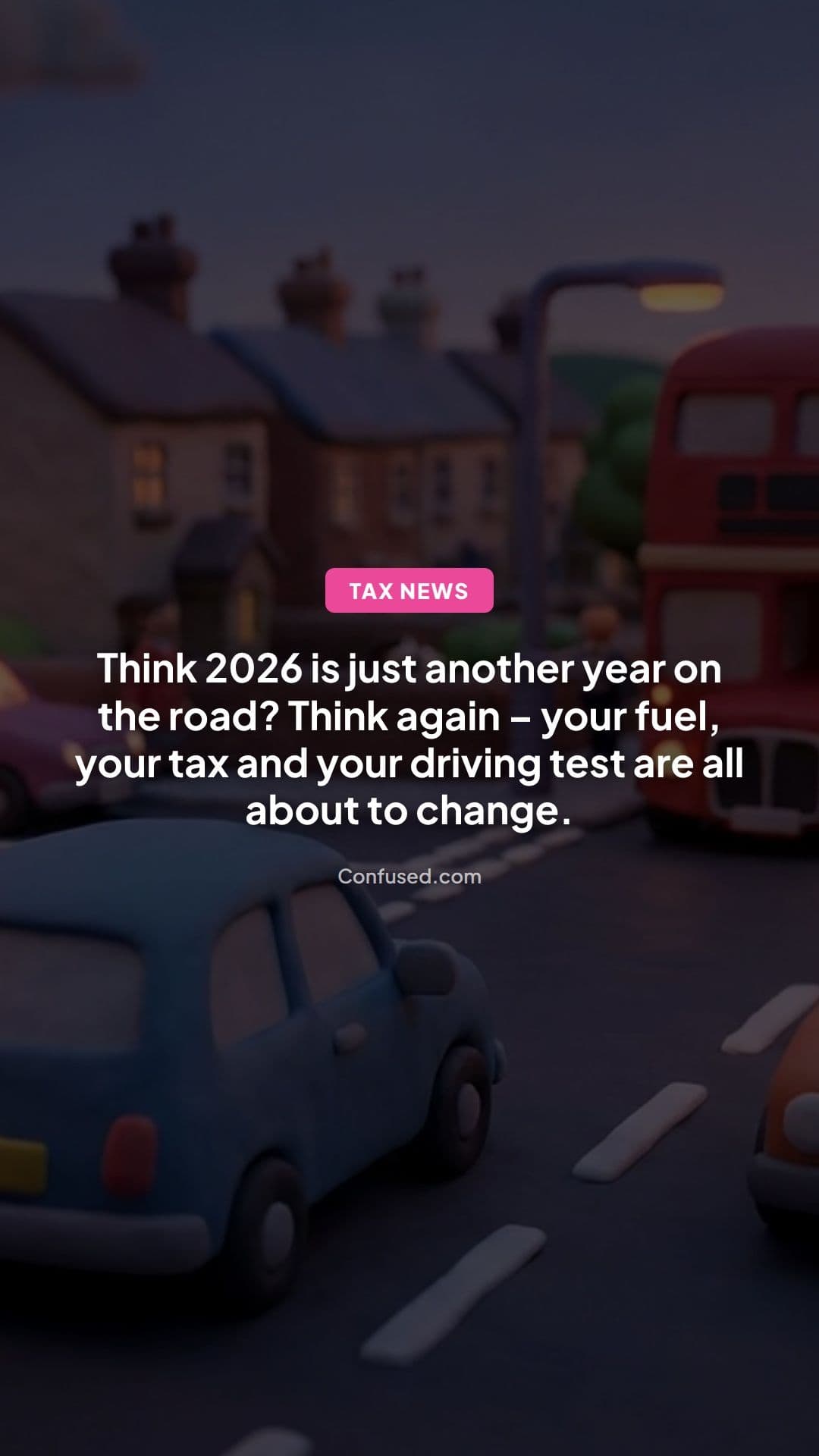
Driving Laws And Rules You Need To Know For 2026
If you thought keeping up with UK motoring rules was a full-time job in 2025, brace yourself. 2026 is shaping up to be one of the busiest years yet for changes that will hit drivers' wallets, driving licences and even how they're taught to respond in a roadside emergency.
From a fresh squeeze on electric company cars to the quiet death of a fuel duty freeze that's lasted well over a decade, plus a shake-up of how learners book their tests and what they're expected to know before they get behind the wheel, there's a lot to digest. Here's what's actually changing, why it matters, and what you need to do about it.
What's Happening In 2026
According to Confused.com's roundup, four changes stand out for 2026: an increase in the Benefit-in-Kind (BiK) tax rate for electric company cars, the end of the long-running freeze on fuel duty, reforms to how learner drivers book their practical tests, and the introduction of new CPR and defibrillator-related questions in the driving theory test.
At first glance these might seem like a random grab-bag of policy tweaks. Look closer, though, and they tell a coherent story about where UK motoring policy is heading: taxing electric vehicles more like petrol and diesel cars, clawing back revenue lost to years of frozen fuel duty, tackling test-booking abuse that's locked genuine learners out of slots, and modernising what "competent to drive" actually means in an era where bystander intervention can save lives.
Why It Matters: The Bigger Picture
The EV tax honeymoon is ending
For years, company car drivers who switched to electric were rewarded handsomely. BiK rates for fully electric vehicles have sat at rock-bottom levels compared with petrol and diesel equivalents, acting as one of the most effective incentives the Treasury ever devised for green motoring. That gap is now narrowing. As BiK rates rise for electric company cars, the financial gulf between choosing an EV and a conventional car through a salary sacrifice or company scheme starts to close.
This matters enormously for the roughly one in five new cars registered through fleet and business channels. Company car tax has always been a powerful lever, arguably more powerful than the plug-in car grant ever was, in shifting driver behaviour. As that lever gets pulled back, it raises a genuine question about whether the UK's EV adoption curve can keep climbing at the same pace, particularly as other pressures on EV ownership costs (public charging VAT, insurance premiums, and battery repair costs) are also rising.
If you're weighing up a new company car, this is not a decision to make on gut feel. Model year, delivery date and your employer's scheme rules can all affect what rate you actually pay, and the difference across a three or four-year lease can run into thousands of pounds.
Fuel duty freeze: the party's over
Fuel duty has been frozen, and at times cut, since 2011. Every Budget for the best part of 15 years has seen the Chancellor of the day resist the "planned" fuel duty rise that Treasury forecasts had quietly built in. It's become something of a running joke among tax experts: fuel duty is "due" to rise every year, and every year it doesn't.
2026 marks the point where that freeze is expected to end. For drivers, this isn't abstract. Fuel duty is charged per litre before VAT is even added, so a rise doesn't just cost you at the pump, it compounds through the VAT charged on top. Given how sensitive household budgets already are to pump prices, an end to the freeze will land at a politically and economically awkward moment.
Learner driver test bookings get an overhaul
Anyone who's tried to book a driving test in the last couple of years knows the system has been creaking. Long waiting lists, and a black market in resold test slots, have made passing your test feel like a lottery as much as a skill. The DVSA's reforms to booking rules for 2026 are aimed at tackling exactly this: cutting down on bot-bought slots, no-shows, and the practice of instructors block-booking tests to sell on.
CPR and defibrillator knowledge joins the theory test
Perhaps the most unexpected change is the addition of CPR and automated external defibrillator (AED) awareness to the theory test syllabus. It reflects a broader push, backed by road safety and health campaigners, to ensure that the millions of people who pass through a car every year at least understand the basics of what to do if they're first on the scene of a crash or medical emergency. It won't turn every driver into a trained first-aider, but it embeds a baseline of knowledge that previously wasn't examined at all.
The Legal Angle
It's worth being clear about where these changes sit legally, because the mechanisms differ.
Benefit-in-Kind tax rates for company cars are set out annually via Treasury regulations and confirmed through HMRC guidance, tied to a vehicle's CO2 emissions and, for electric cars, its "electric range" figure. These rates are typically announced years in advance to give the leasing industry and employers time to plan, so if you're in a company car scheme, your employer or fleet provider should already have visibility of the rate that will apply to you in 2026.
Fuel duty is a matter of primary tax law, set through Finance Act provisions following the Budget. Any rise (or continued freeze) has to be confirmed by the Chancellor and legislated for, which is why every Autumn Budget and Spring Statement is pored over so closely by motoring organisations such as the RAC and AA.
Driving test booking rules fall under the DVSA's operational remit as an executive agency, meaning changes to booking systems and anti-bot measures can be introduced administratively without new legislation, though DVSA is accountable to the Department for Transport.
Theory test content, including the new CPR and AED questions, is likewise set by the DVSA as part of the official syllabus, drawing on guidance from road safety bodies. There's no need for a change in the law to add these questions, they form part of what the DVSA determines constitutes the necessary knowledge to hold a licence.
What Drivers Should Know: Practical Takeaways
If you have, or are considering, an electric company car:
- Ask your employer or fleet provider exactly which BiK rate will apply to your specific vehicle and tax year, not just the headline percentage quoted in the news.
- Model the total cost over your expected ownership or lease period, not just the first year's tax hit.
- If you're on a salary sacrifice scheme, check whether the scheme rules automatically adjust to new rates or whether you're locked into terms that could become less favourable.
If you drive regularly and are budgeting for fuel costs:
- Keep an eye on Budget announcements. Once fuel duty changes are confirmed, forecourt prices tend to move quickly, sometimes before the change even takes effect, as suppliers adjust pricing expectations.
- Consider whether route planning, fuel-efficient driving habits, or comparing local prices could offset a chunk of any increase. Small efficiency gains add up over a year of driving.
If you or someone in your household is learning to drive:
- Book test slots as early as official booking windows open, and only ever use the official DVSA booking service directly rather than third-party resale sites, which the new rules are specifically designed to crack down on.
- Be wary of instructors or websites offering "guaranteed" fast-track test dates for a fee. This has been a persistent grey-market problem and reform is aimed squarely at it.
If you're studying for your theory test:
- Don't skip the new content thinking it's a minor add-on. Basic CPR and AED awareness could well feature as core questions, not obscure extras, so treat them with the same seriousness as hazard perception or road sign recognition.
Looking Ahead
None of these four changes exist in isolation. Together they point to a UK motoring landscape in 2026 that's less forgiving on cost, but arguably more serious about competence and safety. The EV tax incentive era is winding down in favour of a more level playing field between electric and combustion vehicles, fuel duty is (finally) rising after the longest freeze in memory, and the systems around learning to drive are being tightened up on both the booking process and the syllabus itself.
For drivers, the sensible response isn't panic, it's preparation. Check your company car tax position now rather than waiting for a surprise on your payslip. Factor a fuel duty rise into your household budget planning. And if you've got a learner in the family, get familiar with the new booking rules and syllabus well before test day arrives.
As always with UK motoring law, the detail matters more than the headline. For anything that affects your specific tax position, licence, or a penalty you've received, it's worth checking official government guidance or speaking to a qualified professional rather than relying on general news coverage alone.
Written by
Hannah MacLeod
Traffic Law Specialist
Ready to Challenge Your Ticket?
Let our AI analyse your PCN and generate a professional appeal letter in minutes.
Start Free Appeal