17 City Car Parks to Introduce New Parking Charges: What It Means
Free parking is ending at 17 city car parks. Find out what the new charges could mean for drivers, how the six-month review will work and where to check rates.

Carlos Mendoza
3 August 2026
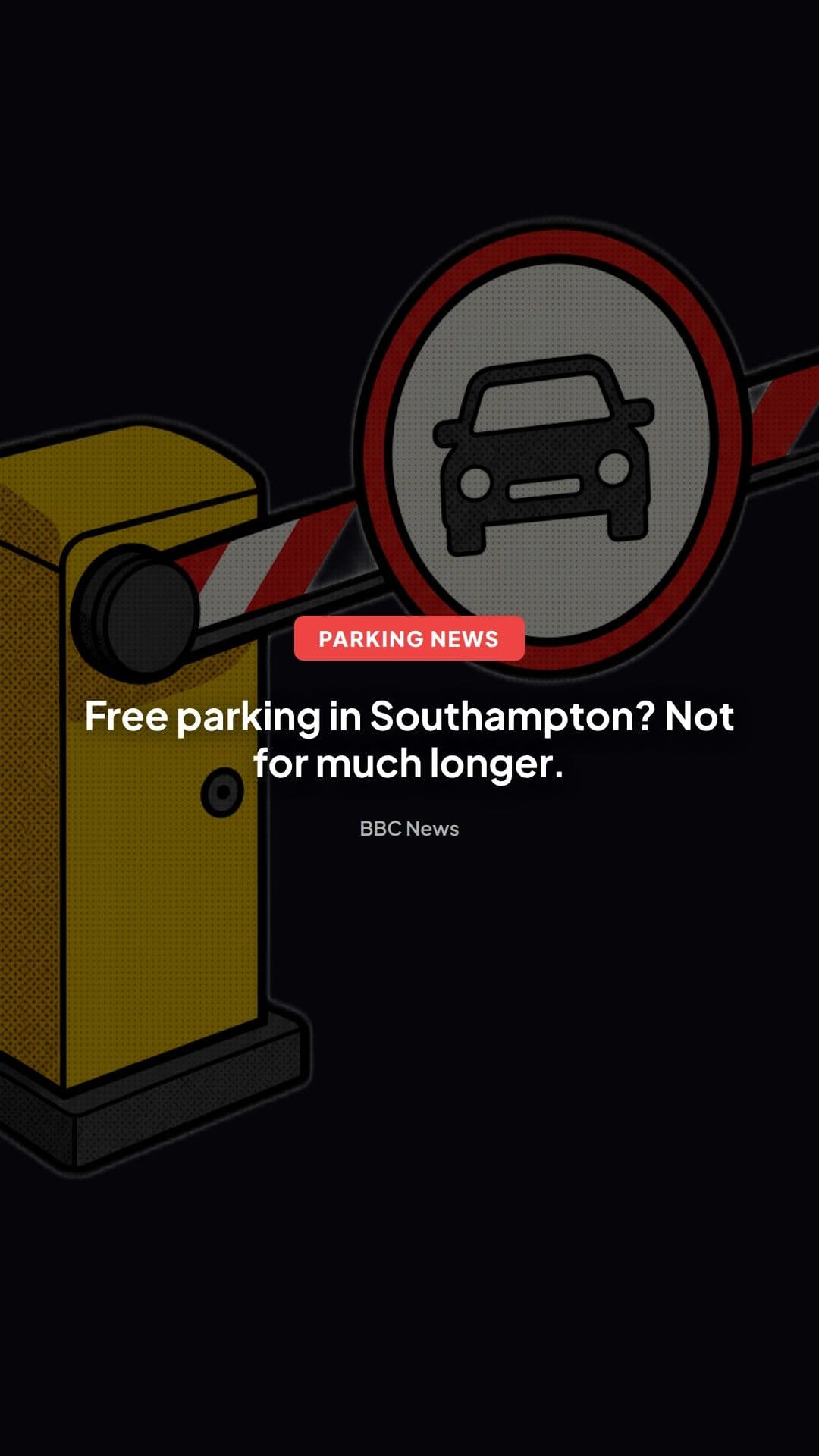
New Charges in 17 City Car Parks: What Drivers Need to Know
A Six-Month Trial That Could Reshape How You Park
If you've grown used to leaving your car for free while you nip into town, that habit is about to get a lot more expensive. According to BBC News, new parking charges are set to replace free parking in 17 city car parks, with the scheme due to be reviewed after six months. It sounds like a straightforward local story, another council tightening its belt, but scratch beneath the surface and there's a great deal for drivers, and anyone who follows UK parking policy, to unpack.
This isn't just about a few extra pounds on a ticket. It's about how local authorities are increasingly using car parks as both a revenue tool and a behavioural lever, and what rights and protections drivers actually have when charges are introduced, adjusted, or eventually reviewed.
What Happened
The core of the story is simple on paper. A council has decided to end free parking across 17 car parks in the city and introduce charges instead. Crucially, the decision comes with a built-in review point: six months after the charges go live, the authority will look again at how the scheme is working.
That review clause matters. It suggests the council is treating this as something closer to a trial than a permanent, irreversible policy shift, even though for drivers using those car parks day to day, the immediate impact will feel very real and very permanent from the moment the barriers (or the pay machines) go up.
What we don't yet know, and what BBC's report doesn't spell out in detail, is exactly how much drivers will be charged, what the tariff structure will look like, whether there will be free short-stay windows, and how enforcement will be handled from day one. Those details typically emerge through the council's own public notices, on-site signage, and Traffic Regulation Order documentation, which is worth checking directly if you regularly use any of the affected car parks.
Why It Matters
Free parking in city car parks has become something of an endangered species in the UK, and this story fits a much wider pattern. Councils across the country have been steadily reviewing, raising, or introducing parking charges as they grapple with tightening budgets, reduced central government funding, and pressure to fund everything from road maintenance to local services.
Car parks sit at an uncomfortable intersection of policy goals. On one hand, local authorities are under pressure to encourage people back into town and city centres to support struggling high streets, something free parking has traditionally helped with. On the other hand, councils have statutory duties around traffic management and are increasingly expected to use parking policy to influence travel behaviour, nudging people towards public transport, cycling, or walking, while also plugging genuine funding gaps.
The tension here is real. Charge too much, or introduce charges too abruptly, and you risk driving shoppers and visitors towards out-of-town retail parks or neighbouring towns that still offer free parking. Charge too little, or delay reform, and councils miss out on income that could otherwise support local services or maintain the car parks themselves.
The six-month review built into this scheme suggests the council is aware of that risk. It gives them a formal opportunity to assess footfall, revenue, and public reaction before deciding whether to keep, adjust, or scrap the charges. It's a sensible, if slightly cautious, approach, and one that other authorities have used before when introducing contentious changes.
The Legal Angle
Local authorities don't have unlimited freedom to charge whatever they like, whenever they like, in council-run car parks. Off-street parking, which is what these 17 car parks fall under, is generally governed by the Road Traffic Regulation Act 1984, alongside the council's own Traffic Regulation Orders (TROs) that set out how a car park operates, including hours of charging, tariffs, and any exemptions.
Before introducing new charges, councils are typically required to follow a consultation process. This can include public notices, statutory consultation periods, and in some cases formal objections from residents, businesses, or interest groups. If a council fails to follow the correct legal process, in theory, an affected party could challenge the decision through judicial review, though this is a costly and comparatively rare route pursued more often by organised campaign groups or businesses than individual motorists.
It's also worth understanding how enforcement differs between council-run car parks and private parking operators. Charges in council car parks are usually enforced under civil parking enforcement powers, similar to those used for on-street parking, meaning any Penalty Charge Notice (PCN) issued for non-payment or overstaying follows the statutory appeals process rather than the private parking industry's separate code of practice. That distinction matters enormously if you ever need to challenge a ticket, since the rights, deadlines, and appeal bodies involved are different from those you'd encounter with a private operator.
Councils are also expected to have regard to guidance from the Department for Transport when setting parking policy, including principles around proportionality and the impact on local businesses and residents. That doesn't mean charges have to be popular, only that they have to be lawfully and reasonably arrived at.
What Drivers Should Know
If you regularly use, or are planning to use, any of the affected car parks, there are some practical steps worth taking now rather than after you've already picked up a ticket.
Check the signage before you park. Once charges are introduced, the terms will be displayed on-site, including operating hours, tariff bands, and any grace periods. Don't assume the rules match what you remember from before the changes.
Keep proof of payment. Whether you're paying by machine, app, or contactless, always retain evidence of payment, at least until you're confident no dispute will arise. This becomes particularly important if the car park uses an app-based payment system, where technical glitches or input errors can occasionally lead to incorrectly issued PCNs.
Understand the appeals route. If you do receive a PCN from a council car park and believe it was issued unfairly, you have a right to make representations, and ultimately to appeal to an independent tribunal if the council rejects your case. Knowing how to put together a clear, evidence-based challenge can make a real difference to the outcome.
Watch for early teething problems. New charging schemes often experience a bedding-in period where signage is unclear, machines malfunction, or enforcement is inconsistent. If you're caught out in the early weeks, it's worth checking whether the council has any informal leniency policy during the transition.
Consider your alternatives. With a six-month review on the horizon, some drivers may choose to temporarily shift to other car parks, public transport, or active travel options, both to avoid the new costs and to signal, through reduced footfall, that the charges are unwelcome. Whether that's practical will depend entirely on your local circumstances.
Looking Ahead
The genuinely interesting part of this story isn't the introduction of charges themselves, it's what happens at the six-month mark. Reviews like this can go one of several ways. The council could decide the charges are working as intended, generating useful revenue without significantly denting footfall, and make them permanent. It could tweak the tariff structure in response to feedback, perhaps introducing more free short-stay slots or discounted rates for residents. Or, if the backlash is significant enough and evidence suggests real harm to local trade, it could scale back or reverse the changes entirely.
There is recent precedent nationally for councils reconsidering parking charge decisions under public and business pressure, which suggests this kind of review clause isn't just a formality, it's a genuine pressure valve that campaigners and local businesses are likely to use.
For now, the practical reality for drivers is straightforward: free parking is ending in these 17 car parks, and the sensible response is to get familiar with the new rules quickly, keep good records of any payments made, and stay alert to how the scheme develops over the coming months. Whether this becomes a permanent fixture of the city's parking landscape or a short-lived experiment will depend as much on how drivers and local businesses respond as on anything the council decides in isolation.
Written by
Carlos Mendoza
Parking Technology Analyst
Ready to Challenge Your Ticket?
Let our AI analyse your PCN and generate a professional appeal letter in minutes.
Start Free Appeal